Buying a new or newer vehicle does not mean every maintenance visit has to take place at the dealership. A qualified local repair shop can follow the manufacturer’s service schedule, use suitable parts and fluids, and document the work completed at each appointment.
The important part is not the building where the service happens. The work must match the vehicle’s requirements and be performed correctly. Accurate records, approved products, and vehicle-specific procedures can help you maintain the car while keeping useful documentation for future warranty questions.
Can A Local Shop Follow The Factory Schedule?
Professional repair shops have access to service information for specific years, makes, models, engines, transmissions, and drivetrains. This information shows when fluids, filters, spark plugs, belts, and other maintenance items should receive attention.
The technician can compare the factory schedule with the vehicle’s mileage, age, service history, and driving conditions. That prevents a generic mileage package from being applied to every car. A turbocharged engine, all-wheel-drive system, or specialized transmission may have requirements that differ from another version of the same model.
What Services Are Included In Factory Maintenance?
Factory maintenance usually combines scheduled replacements with checks of systems that wear gradually. Earlier visits may focus on engine oil, filters, tires, and fluid levels. Later milestones may include spark plugs, coolant, brake fluid, transmission service, or drivetrain lubricants.
Common maintenance items include:
- Engine oil and filter replacement
- Tire rotation and pressure adjustment
- Engine and cabin air filter replacement
- Brake fluid service
- Coolant replacement
- Transmission fluid service
- Differential and transfer case fluid service
- Spark plug replacement
- Belt and hose checks
- Brake, steering, and suspension checks
- Battery and charging system testing
Not every vehicle needs every service at the same mileage. The shop should confirm the requirements for the exact vehicle rather than automatically replacing everything on a standard list.
Why Correct Parts And Fluids Are Essential
Modern vehicles often require specific engine oil approvals, coolant chemistry, transmission fluid, brake fluid, and gear lubricant. Products can look similar or share the same viscosity while having different additives, friction properties, and material compatibility.
Filters, spark plugs, belts, and other replacement parts must also match the vehicle. An oil filter may require a particular bypass valve setting, while spark plugs need the proper heat range and design. Using products that meet the manufacturer’s specifications is more important than whether the label carries the vehicle brand’s name.
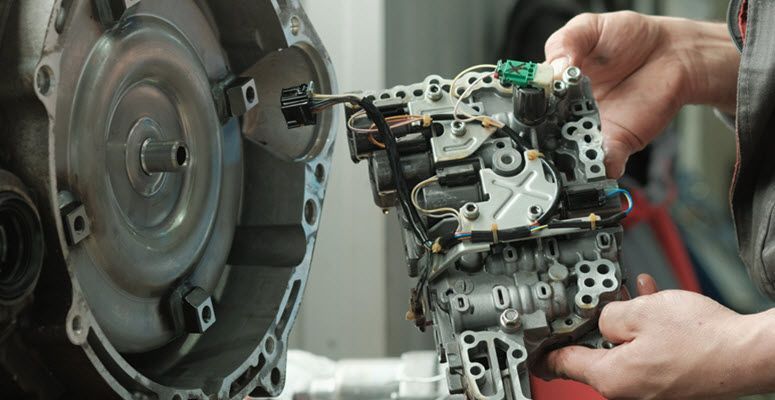
Some maintenance procedures require specialized tools or electronic steps. A transmission may need to be checked at a specific temperature, an electronic parking brake may require service mode, and the maintenance reminder may need a model-specific reset. A capable local shop should have the information and equipment needed to complete those procedures correctly.
Why Service Records Are So Important
Keep invoices showing the date, mileage, work performed, fluids used, and parts installed. These records create a clear history of regular maintenance and show that the vehicle received care at the recommended intervals.
Documentation is useful if a warranty concern develops later. A repair facility or manufacturer may need to determine whether the failed component received the required service and whether an incorrect product contributed to the problem. Detailed records provide far more useful information than a reminder sticker or handwritten mileage note.
Records also prevent work from being repeated unnecessarily. If coolant or transmission fluid was replaced recently, the next shop can see that history and plan future service based on the correct interval.
Maintenance Does Not Prevent Every Warranty Question
Following the schedule helps protect the vehicle, but it does not guarantee that every future repair will receive warranty coverage. Coverage decisions can depend on the failed component, the cause of the failure, vehicle age, mileage, modifications, and the specific warranty terms.
Maintenance performed incorrectly can create problems. Using unsuitable oil, skipping a required fluid service, or installing the wrong component may contribute to damage. A local shop should be able to explain the required specifications and document how the service was completed.
Factory maintenance is also different from repairing current wear. A leaking water pump, damaged tire, weak battery, or worn brake pad may need attention even when it does not appear on the current mileage schedule. An inspection helps separate scheduled services from condition-based repairs.
How A Local Shop Builds A Maintenance Plan
The shop should begin with the manufacturer’s schedule and compare it with previous invoices. Vehicle age and driving habits also influence the plan. Frequent short trips, towing, extended idling, heavy traffic, and dusty conditions can shorten certain service intervals.
A practical recommendation should separate overdue work, services currently due, and items approaching later. This helps drivers plan expenses without replacing usable parts too early or allowing important maintenance to fall far behind.
Ask whether the shop can access factory service information, use products that meet the required specifications, reset maintenance reminders, and provide detailed invoices. Clear answers show that the visit will follow the vehicle’s actual requirements rather than a one-size-fits-all package.
Get Factory Maintenance In Royal Oak, MI, With Autohaus Service & Sales
Autohaus Service & Sales in Royal Oak, MI, can review your vehicle’s factory schedule, mileage, service history, and driving conditions to determine what is due.